Iseult Lynch from MACRAMÉ Partner University of Birmingham has published an article on the role of cosmetics in microplastic pollution.
The presence of microplastics in cosmetics and personal care products (C&PCPs) has been increasingly in the public eye since the early 2010s. Despite increasing research into the potential environmental and health effects of microplastics, most research to date on microplastics in C&PCPs has investigated “rinse-off” products, while the potential impacts of “leave-on” C&PCPs have been largely neglected, despite these products being purchased in greater volumes and often having two or more microplastic ingredients in their formulations (CosmeticsEurope, 2018b).
This review aims to synthesize the current knowledge of microplastic in C&PCPs, assessing the potential environmental and human health impacts of C&PCPs and discussing the regulatory implications. The lack of studies on leave-on C&PCPs is significant, suggesting a severe knowledge gap regarding microplastic presence in, and emissions from, C&PCPs. There is a noticeable lack of studies on the (eco)toxicological consequences of microplastic exposure from C&PCPs. As a result, significant aspects of microplastic contamination may be overlooked in the microplastic legislations emerging globally (including from the European Commission), which intend to restrict microplastic use in C&PCPs but focus on rinse-off C&PCPs only.
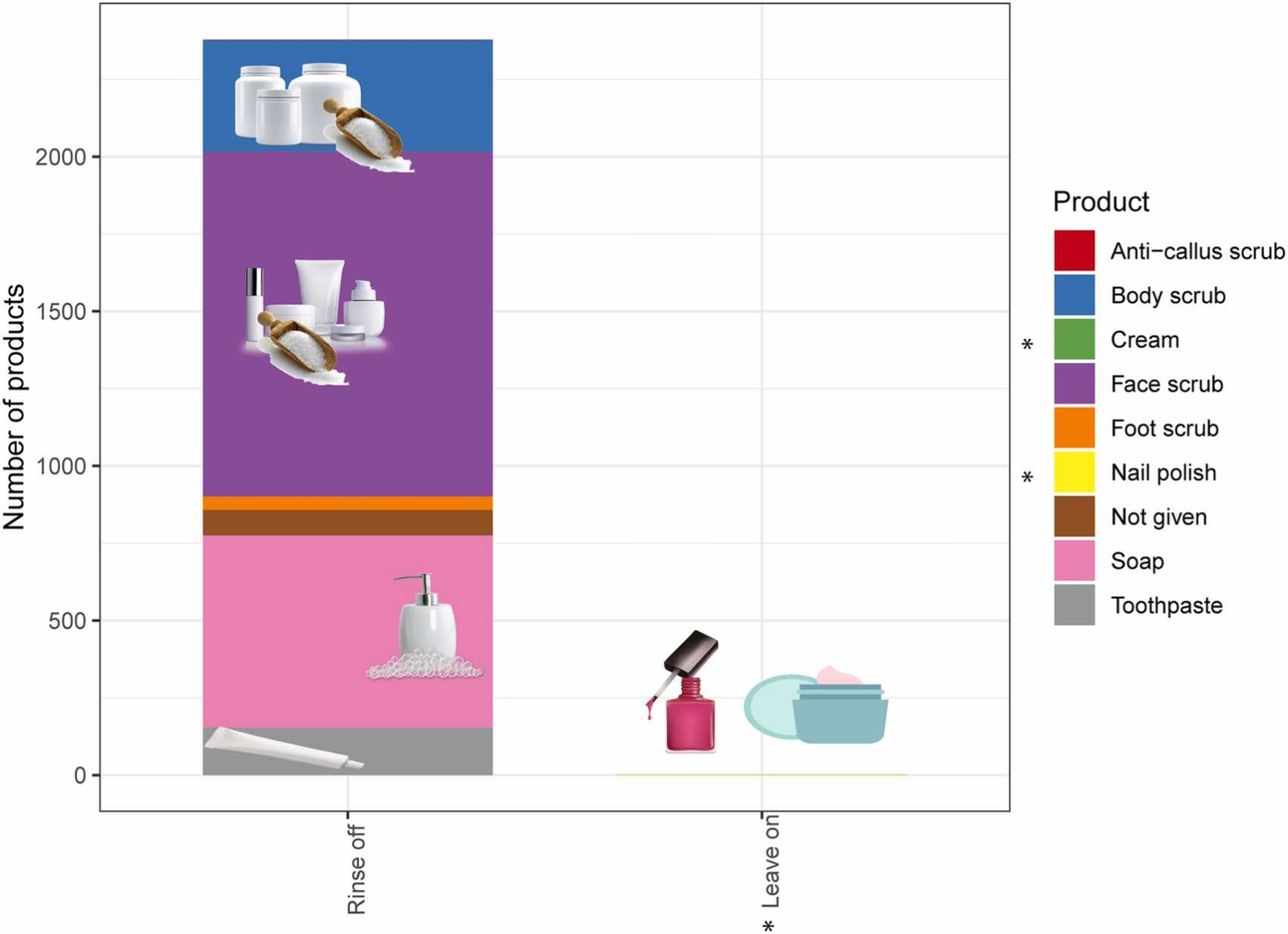
This review highlights the potential consequences of microplastics in leave-on C&PCPs for regulatory decision-making, particularly as alternatives to microplastics are considered during the phase-out periods and spotlights the need for sufficient monitoring and research on these alternatives, to avoid unforeseen consequences.
Read the full text publication here.